Afghanistan Is Paying the Price for a Climate Crisis It Did Not Create
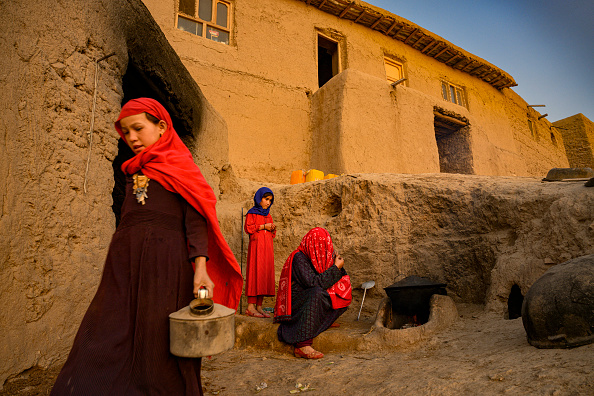
As the world marks World Environment Day, Afghanistan continues to suffer from the devastating impacts of climate change, despite contributing almost nothing to the global emissions driving this crisis. In 2024, Afghanistan accounted for only 0.03% of global emissions. It ranks among the top 10 countries most affected by climate change in the world.
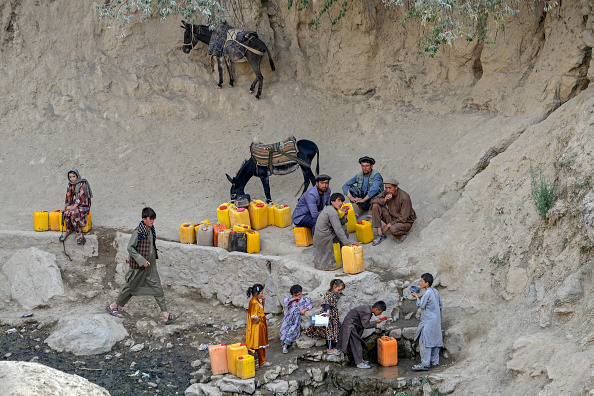
Today, Afghanistan is witnessing the steady destruction of its environment. Flash floods, prolonged drought, the loss of biodiversity, rapid glacier melt, rising temperatures, and the degradation of natural resources are becoming increasingly common across the country. These impacts threaten the lives, livelihoods, and the future of millions of Afghans.
Afghanistan is a country rich in natural resources, which have long supported communities through decades of conflict and hardship. However, climate change now places these vital resources under severe threat. As a result, many families are being forced to leave their homes, migrate in search of opportunities, or face worsening humanitarian conditions.
The country has moved beyond the stage of climate warnings. Afghanistan is now paying the cost of climate change. Yet neither the authorities nor vulnerable communities have the resources necessary to adequately respond to this growing crisis. Instead, they are left to witness the destruction caused by a problem they did little to create.
Nearly five years after the establishment of the current administration, Afghanistan remains largely excluded from international climate finance mechanisms. Funding intended to support climate-vulnerable countries often remains inaccessible due to political considerations and the issue of international recognition. This approach is neither fair nor effective, as it is ordinary people, not political actors, who bear the consequences.
Civil society organizations, environmental advocates, and public institutions have consistently called for climate justice and equitable access to climate resources. However, meaningful progress remains limited. Recognizing this urgent need, I launched Afghanistan’s first Climate Justice Dialogue, bringing together civil society organizations, environmental experts, activists, and academic institutions to collectively advocate for climate justice and amplify Afghanistan’s voice on the global stage.
My message to the international community is clear: climate change must not be politicized. The people of Afghanistan should have access to international climate financing mechanisms, including the Global Environment Facility (GEF), the Green Climate Fund (GCF), the Adaptation Fund, the Loss and Damage Fund, and other climate-related funding opportunities.
Afghanistan’s people should not be denied support because of political circumstances beyond their control. Access to climate finance is not a political privilege. It is a necessity for survival, resilience, and sustainable development.
Climate justice will only be achieved when the people of Afghanistan, like other climate-vulnerable nations, are granted fair access to the resources needed to adapt, recover, and build resilience. The world must act now before the climate crisis in Afghanistan evolves into an even deeper humanitarian catastrophe.